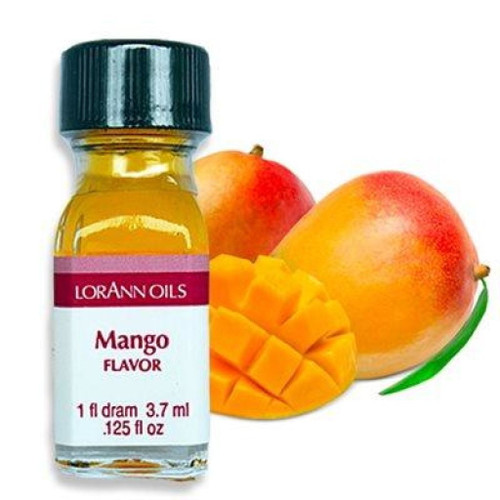
This super strong Blackberry flavor is used to boost the flavor and aroma of beer or wine. Depending on taste.. It is recommended to add flavoring during secondary fermentation, but feel free to experiment. Trying adding during primary fermentation, kegging, or bottling for some unique taste sensations.
Blackberry LorAnn Flavor is completely water soluble. 3-4 times stronger than most flavorings. Blackberry LorAnn Flavor can add a ton of flavor to a 5-6 gallons of wine or beer.
1 dram will flavor 5-6 gallons of beer, wine, cider or mead.
Add to a whipped topping as a complement to your favorite pie or even make a blackberry flavored cream pie.
ThisBlackberry flavoring (also known as candy flavoring oil) may just take you back to a time when you picked blackberries for grandma off of that old country road. It can be a pleasant addition to a cool beverage on a hot summer day or added to cakes or cookies for some added zing.
1 dram = about 1 teaspoon
Appropriate for use in chocolates and coatings (typical use is ¼ to ½ teaspoon per pound)
Used sparingly, these powerful, all natural oils can add intense flavor and aroma to candies, chocolates, frostings, baked goods, soups and marinades.
The essential oils that LorAnn Oils labels as food grade are approved by a regulation of the FDA (a classification known as GRAS) or appear on the industry approved register of safe ingredients for the flavor industry. LorAnn Oils is independently certified as a Safe Quality Foods (SQF) manufacturer.
Essential oils are the highly concentrated, volatile, aromatic essences of plants. These natural plant oils are appreciated for both their aromatic and flavoring qualities. Many essential oils such as peppermint, lemon and orange are commonly used to flavor desserts, candies and chocolates. Other, more herbal oils, such as thyme and marjoram are better suited for flavoring savory foods such as stews and sauces. Lavender and bergamot oils have become popular in chocolate crafting especially.
HOW DO I USE FOOD GRADE ESSENTIAL OILS?
Essential oils are VERY concentrated, and therefore should be used in small amounts and never ingested undiluted or directly from the bottle.
USING CITRUS OILS IN PLACE OF CITRUS ZEST:
- Substitute lemon oil for lemon zest, orange oil for orange zest and lime oil for lime zest.
- In recipes calling for grated citrus zest or peel start with 1/8 teaspoon essential oil in place of 1 tablespoon of zest. No more grated knuckles! This is an easy way to add a punch of citrus flavor to glazes, toppings, sauces – even piecrust!
USING ESSENTIAL OILS IN SAVORY COOKING:
- For most oils, one drop replaces a teaspoon of dried herb or spice.
- For bolder tasting herb oils such as Thyme, Oregano (Origanum), Rosemary and Marjoram, dip a toothpick into the bottle and stir into your recipe just before serving. Stronger flavored oils can be simmered at length in soups and stews to produce a milder flavor.
- For milder herb oils use 1 - 2 drops at the end of cooking, or just before serving.